Seven Knights Idle Adventure Tier List: Best Heroes Ranked for PvE and PvP
If you have been away from Seven Knights Idle Adventure for a while, the first thing you need to know is that the hero meta has changed a lot. The days when simply throwing a few old Legendary heroes into your formation was enough are long gone. Awakened characters, High Lord heroes, increasingly specialized buffs, DoT teams, Nightmare content, exclusive equipment, and tougher PvP formations have completely changed which units are worth investing in.
That is also why a modern Seven Knights Idle Adventure tier list needs more context than a basic S-to-D ranking. A hero can be ridiculous in Arena and merely decent against PvE bosses. Another character may deal mediocre personal damage but provide a buff or debuff that makes your entire ten-hero formation noticeably stronger.
For this ranking, I am looking at current usefulness across Adventure stages, bosses, Nightmare-style progression, farming, Arena, Grand Prix, and general account development. I also care about how difficult a hero is to replace. A damage dealer that can be swapped for five similar characters is valuable, but a support providing a rare team-wide effect is often an even better investment.
So if you are trying to decide which Legendary, Awakened, or High Lord heroes deserve your resources, this Seven Knights Idle Adventure tier list should help you sort the true account-changing characters from the units that are mainly filling space.
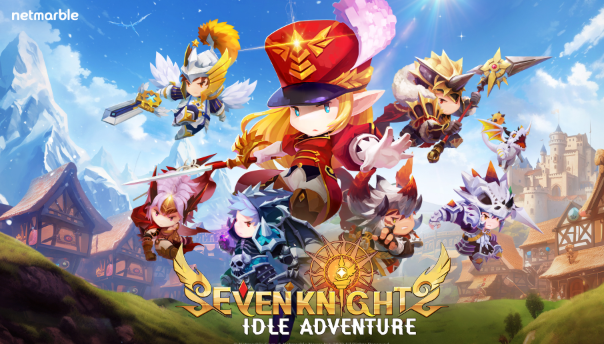
I. Seven Knights Idle Adventure Tier List: Best Heroes Ranked
A. Latest Tier List and Ranking Criteria
Here is my overall ranking for the current version of the game. Because Seven Knights Idle Adventure now has a huge roster, I am focusing mainly on heroes that still have meaningful late-game value rather than trying to squeeze every outdated Rare or Epic unit into the table.
TierRecommended HeroesS+ TierHigh Lord Alicia, High Lord Orly, Sage of Inner Eyes Karma, Herald of Peace Rauha, Bloody Night Kyle, High Lord Teo, Surtr the Last Giant, Doomsday Prophet SkuldS TierFenrir, Drummer Rudy, Frontman Dellons, Cat Mage Lucia, Ecila in Dreamland, Lu Bu, High Lord Sun Wukong, High Lord Arianrhod, Final Star Yeonhee, Erin, Branze & Bransel, TrudeA TierHigh Lord Rudy, High Lord Rin, High Lord Freyja, High Lord Dellons, Gelidus, Restia, Blanc, Ainz, Heir to the Hidden Palace Siris, Undercover Ruri, Arang, Solderet's Contractor Jin, RadgridB TierFai, Aquila, Mirage, Celine, Mariner Biya, Bi Dam, Vicky, On Stage Dellons, Colt, Lania, AlphC TierOlder Legendary and collaboration heroes that have largely been replaced by newer awakened alternativesD TierMost sub-Legendary heroes and collection-focused units with no meaningful current endgame roleThis is not meant to say that every S+ hero belongs in the same team. Quite the opposite. Seven Knights Idle Adventure has reached the point where team-building is increasingly about finding the right combination of buffs, debuffs, DoT effects, survivability, and damage profiles.
B. How Hero Roles, Rarity, and Game Modes Affect Rankings
One mistake I see newer players make is assuming rarity automatically equals power.
Rarity matters, especially once you move into the modern Legendary and awakened roster, but role compression matters even more. A hero that deals damage while also improving Critical Damage, DoT output, Weakness Attack, or team survivability can replace two older characters at once.
Game mode also changes everything.
In normal Adventure progression, I want fast damage and enough AoE to remove enemy groups before the timer becomes a problem. Against a single boss, I care much more about debuffs, Weakness Attack, Critical Hit consistency, Bonus Damage, and sustained single-target output.
PvP flips the priorities again. Immortality, jump attacks, displacement, burst damage, CC immunity, Unrevivable effects, evasion, and the ability to instantly remove a key enemy can matter more than raw damage-per-second.
So whenever you use this Seven Knights Idle Adventure tier list, treat the overall tier as a starting point rather than a rule carved into stone.
II. Seven Knights Idle Adventure Overall Tier List
A. S+ Tier: Meta-Defining Heroes
High Lord Alicia
High Lord Alicia is one of those characters that can justify building an entire account strategy around her.
Her greatest strength is not just personal damage. She contributes to several important offensive systems at once, which makes her extremely valuable in high-level PvE. She works particularly well when your formation is leaning into DoT damage, Critical Damage, and Nightmare progression.
When I evaluate top-tier characters, I always ask one question: "If I remove this hero, how difficult is the effect to replace?"
With High Lord Alicia, the answer is usually "very difficult."
That alone puts her near the top of my Seven Knights Idle Adventure tier list.
High Lord Orly
High Lord Orly is another core piece of the modern damage-over-time environment.
If your account is developing toward a proper DoT team, she becomes far more valuable than a random high-damage attacker because she improves what the entire formation is trying to accomplish.
This is exactly why experienced players eventually stop looking only at individual damage numbers. Ten heroes benefiting from the right support effect can produce dramatically more total damage than simply adding another selfish DPS.
Sage of Inner Eyes Karma
Karma is my favorite defensive recommendation because he remains useful across a ridiculous amount of content.
A good tank does more than stay alive. The tank needs to buy enough time for the rest of the formation to operate, prevent fragile ranged heroes from being deleted, and ideally bring additional team utility.
Karma does that extremely well.
For new or returning players, he is also one of the safer characters to invest in because defensive value tends to age better than mediocre DPS.
Herald of Peace Rauha
If your team keeps dying before its damage engine gets going, Rauha is one of the first characters I would examine.
Her healing and survival tools give PvE formations the breathing room they need, but her usefulness becomes even more obvious in difficult content where enemies cannot simply be burst down immediately.
She also works particularly well in teams that rely on stacking effects and longer battles.
Bloody Night Kyle
Bloody Night Kyle is a different kind of monster.
Where Rauha gives you stability, Kyle gives PvP opponents headaches. His ability to pressure formations and remove vulnerable targets makes him one of the defining offensive choices for Arena-oriented players.
He is not the hero I would build first for a completely fresh PvE account, but if PvP is your focus, his priority shoots straight up.
High Lord Teo
High Lord Teo combines serious offensive pressure with PvP utility that is difficult to ignore.
The reason he ranks so highly is simple: killing an opponent is good; making sure that opponent stays dead is even better.
In modes where resurrection and survival gimmicks can completely change a battle, effects that interfere with those mechanics become enormously valuable.
Surtr the Last Giant
If you want damage, Surtr is one of the first names that comes to mind.
He is particularly attractive for players pushing demanding PvE damage checks. When your frontline and support network are already established and the only remaining question is "how do I make this boss die faster?", Surtr becomes a very appealing answer.
Doomsday Prophet Skuld
Skuld earns her position through support value rather than trying to compete with dedicated damage dealers.
Modern Seven Knights Idle Adventure teams are increasingly built around layered effects, and high-end support characters are often what separates a decent formation from one that pushes much further than its Combat Power would suggest.
B. S Tier: Powerful and Reliable Heroes
S-tier heroes are not far behind S+. In fact, depending on your formation, several of them can be more important than the characters above.
Fenrir has excellent value in compositions that care about Vital Strike-related performance and remains a strong melee support piece.
Drummer Rudy brings powerful PvE burst and fits naturally into aggressive formations.
Frontman Dellons is especially valuable when you are building around Critical Damage and DoT interactions.
Cat Mage Lucia is one of the better Poison-oriented choices, making her attractive for specialized DoT formations.
Erin fills a similar role for Burn-oriented teams.
Ecila in Dreamland offers excellent protection and utility. Damage-nullification style effects become incredibly valuable when raw healing alone is not enough to keep a team alive.
Lu Bu is particularly interesting because he can blur the line between a defensive hero and an offensive threat. Build him correctly and he can create serious PvP pressure instead of merely standing in front.
High Lord Sun Wukong is a central piece for teams built around Strengthening Stacks.
Final Star Yeonhee remains a powerful ranged offensive option, particularly when the rest of the formation supports her damage profile.
High Lord Arianrhod, Branze & Bransel, and Trude can also be extremely threatening in the right PvP or specialized formation.
C. A Tier: Strong Alternatives and Team Fillers
A-tier characters are where account-specific choices become much more important.
High Lord Rudy is still a strong unit, but newer High Lord heroes have reduced how essential he feels.
High Lord Rin remains usable, although there are increasingly more modern ways to achieve what older formations once relied on her for.
High Lord Freyja and High Lord Dellons can still contribute significantly when their specific effects fit the team.
Gelidus remains annoying in PvP because survival mechanics never completely go out of fashion.
Restia can bring important defensive utility to difficult PvE encounters.
Blanc and Ainz can still perform in specific immortality-based setups.
One character I would highlight is Heir to the Hidden Palace Siris. Her personal damage may not always look incredible beside newer awakened DPS units, but strong team Critical Hit support can make her far more valuable than her individual numbers suggest.
That is exactly the kind of hero that gets underrated if you judge everyone by damage meters alone.
D. B, C, and D Tier: Early-Game and Niche Heroes
B-tier heroes still have uses, but most have become replaceable.
Fai can contribute Burn and Attack Speed utility. Aquila has enough durability to survive certain PvP or PvE situations. Mirage can fill specific defensive jobs. Bi Dam can still cause trouble with Silence. Alph and Lania have niche utility when particular enemy mechanics demand it.
The problem is that these characters usually solve one narrow problem while newer heroes solve two or three.
C-tier heroes are mostly former meta units that have been power-crept. You can absolutely continue using them if they are heavily awakened or already carry strong equipment, but I would be careful about pouring new premium resources into them.
D tier is where most sub-Legendary heroes now sit. Early in the game's life, Epic and Unique heroes had much more room to shine. On a modern account, you gain access to Legendary units quickly enough that lower rarity characters usually become temporary placeholders.
III. Best Seven Knights Idle Adventure Heroes
A. Best Overall Heroes to Build
If I had to narrow the enormous roster down to a few safe investments, I would focus on:
High Lord Alicia for high-end PvE flexibility.
High Lord Orly for DoT-centered progression.
Karma for frontline stability.
Rauha for healing and team survival.
Surtr for raw PvE damage.
Bloody Night Kyle for PvP.
High Lord Teo for Arena-oriented pressure.
The important part is choosing according to what your account lacks.
If you already have three excellent attackers but your formation melts in five seconds, pulling a fourth DPS probably will not fix the problem. Karma or Rauha may improve your account far more.
B. Best DPS Heroes
For PvE damage, I currently rate Surtr the Last Giant extremely highly.
Other strong offensive choices include Frontman Dellons, Drummer Rudy, Cat Mage Lucia, Erin, Final Star Yeonhee, and several High Lord heroes depending on team composition.
For PvP damage, Bloody Night Kyle, High Lord Teo, Trude, and Branze & Bransel become more attractive because their kits are better suited to quickly disrupting or killing enemy formations.
The best DPS is therefore not always the character with the highest theoretical number. A hero who reaches the right target and actually survives long enough to attack can outperform a supposedly stronger unit.
C. Best Tanks and Defense Heroes
Sage of Inner Eyes Karma is my first choice for a general-purpose defensive investment.
He protects the formation extremely well and continues to have meaningful value as content becomes more difficult.
Lu Bu deserves consideration if you want a defensive character capable of applying offensive pressure.
Other tanks can work in specific modes, but when resources are tight, I prefer investing in a defensive hero that remains relevant across several pieces of content instead of building a specialist for one stage.
D. Best Support and Healing Heroes
Herald of Peace Rauha is one of my favorite sustain characters.
She makes teams significantly more forgiving, particularly in prolonged PvE fights.
Ecila in Dreamland is another excellent support because preventing damage can sometimes be more valuable than trying to heal after the damage has already landed.
Doomsday Prophet Skuld deserves serious attention in late-game formations as well.
The general rule is simple: do not underestimate supports. Once your main DPS is reasonably built, improving the characters amplifying that DPS often provides a larger upgrade than adding another attacker.
IV. Seven Knights Idle Adventure PvE Tier List
A. Best Heroes for Adventure Stages
Adventure progression wants speed.
You usually need enough area damage to remove enemy waves while also keeping the formation alive against increasingly inflated stats.
High Lord Alicia is excellent because she provides meaningful offensive value beyond her own attacks. High Lord Orly also becomes extremely strong when your team is properly built around her.
Surtr, Drummer Rudy, Frontman Dellons, Final Star Yeonhee, Fenrir, Karma, and Rauha are all characters I would be happy to use when pushing difficult stages.
Early on, raw Combat Power can carry you.
Later, team synergy matters considerably more.
B. Best Heroes for Boss Battles
Boss fights are where buff and debuff management becomes serious.
Instead of simply stacking your strongest-looking heroes, think about how the ten slots interact.
You want your main damage dealers, but you also want characters that improve Critical Hit Rate, Critical Damage, Bonus Damage, Weakness Attack, Vital Strike, DoT damage, or whatever specific offensive engine your team uses.
Against endgame bosses, removing one mediocre DPS for a powerful buffer can actually increase your total damage.
High Lord Alicia, High Lord Orly, Surtr, Frontman Dellons, Fenrir, Cat Mage Lucia, Erin, and strong debuff specialists are all valuable pieces depending on your strategy.
C. Best Heroes for Farming and Idle Progression
For ordinary farming, consistency beats complicated setups.
I want good area coverage, short kill times, and enough survivability that the formation does not randomly collapse while I am letting the game run.
Ranged attackers tend to feel especially comfortable because they begin dealing damage without wasting as much time repositioning.
However, do not build an entire separate farming roster unless your main team is already developed. Most players will progress faster by strengthening one powerful core and swapping several specialist heroes when needed.
V. Seven Knights Idle Adventure PvP Tier List
A. Best Heroes for Arena
Arena has its own meta, and blindly copying your PvE team is one of the fastest ways to lose.
My highest-priority PvP characters include:
Bloody Night Kyle, High Lord Teo, Trude, Branze & Bransel, Lu Bu, and Karma.
Survival gimmicks, jump attacks, target access, CC, anti-revival mechanics, and burst damage are much more important here.
A ranged hero producing huge boss numbers does not help much if Kyle reaches the backline and removes them before they finish their first real rotation.
B. Best Heroes for Grand Prix
Grand Prix rewards roster depth.
Instead of putting every good hero into one super team, you need to think about how much strength you are sacrificing from your secondary formations.
This changes character value dramatically.
A versatile hero who is slightly weaker than the absolute best option may be more useful because they allow you to spread specialized supports between multiple teams.
I like building each Grand Prix formation around one clear win condition rather than creating several random mixed teams.
One squad might lean into instant burst. Another can focus on survival and attrition. The third can use control, immortality, or disruption to steal difficult matchups.
C. PvP Team Strategy: Damage, Control, and Survivability
Every good PvP formation needs a plan.
An aggressive team wants to kill important enemy characters before their defensive engine activates.
A control team wants to prevent those characters from functioning normally.
A defensive team wants to survive the enemy's opening burst and win once their cooldowns and survival mechanics are exhausted.
Trying to do all three without proper synergy usually creates a mediocre team.
When I build Arena formations, I first choose the win condition. Only after that do I fill the remaining slots with heroes that help execute it.
VI. Best Team Compositions
A. Best Early-Game Team
New players should not obsess over a perfect ten-character meta formation immediately.
Use your best available Legendary heroes, but aim for a sensible balance: one or two durable frontline characters, several reliable damage dealers, and enough support to prevent the formation from collapsing.
If the beginner or welcome progression gives you a heavily upgraded hero, use them.
A free character with significant awakening investment can easily outperform a supposedly superior hero sitting at zero stars.
Early progression rewards efficiency more than theoretical perfection.
B. Best Mid-Game and Endgame Team
By mid-game, I start thinking in terms of core effects rather than individual characters.
A modern PvE core could revolve around High Lord Alicia or High Lord Orly, with appropriate DoT attackers and supporting buffers.
Karma can anchor the frontline.
Rauha or Ecila can handle sustain.
Fenrir and other specialists can fill whatever offensive modifier the formation is missing.
Endgame teams become even more specialized because Nightmare stages, bosses, and other difficult modes can punish specific weaknesses.
This is where keeping a broad Legendary roster becomes valuable.
C. Balanced, Aggro, and Defensive Team Builds
A balanced team mixes a reliable frontline, several damage dealers, and two or three heroes bringing healing, buffs, debuffs, or protection. This is what I recommend for general progression.
An aggro team sacrifices some sustain for burst. These formations work best when your offensive stats are high enough to finish the battle before the missing defense becomes a problem.
A defensive team leans into shields, healing, immortality, damage nullification, and tankiness. It is slower, but it can frustrate aggressive PvP formations and clear PvE content where survival is the main obstacle.
There is no universally correct style. Build around your strongest heroes and the content you actually care about.
VII. Seven Knights Idle Adventure Reroll Guide
A. Is Rerolling Worth It?
For most players, I do not recommend heavy rerolling in Seven Knights Idle Adventure.
This game is unusual because the recruitment system itself levels up as you summon. Better recruitment options and special banners become accessible as you continue progressing the summon system.
That means a traditional gacha strategy of resetting accounts until you immediately pull an endgame hero is less attractive here.
Your time is generally better spent pushing Adventure, collecting summon tickets, raising Recruitment Level, and unlocking the systems that actually let you target stronger heroes.
B. Best Heroes to Reroll For
If you still insist on rerolling, I would prioritize a powerful Legendary hero that has immediate account value rather than chasing a niche PvP specialist.
Karma is fantastic if available because a powerful defensive hero remains useful for a long time.
Rauha is an excellent support-oriented target.
High Lord Alicia or High Lord Orly would obviously be premium long-term goals when their relevant recruitment opportunities are available, although these are not the kind of heroes I would expect a brand-new account to casually reroll for immediately.
The same applies to the newest awakened meta units.
Do not spend hours resetting for a character your account cannot realistically access through the starting recruitment pool.
C. How to Reroll With a Guest Account
The basic approach is straightforward.
Start using a Guest Account and proceed through the opening tutorial until Recruitment becomes available. Collect the initial tickets and rewards, perform your available summons, and evaluate the result.
If you are happy with the account, bind it to your preferred login method so your progress is protected.
If you are unhappy, use the account options to remove or abandon the guest progress and begin again.
Just remember that the deeper recruitment-level system makes this much less rewarding than rerolling in many conventional gacha RPGs.
VIII. How to Choose Heroes to Invest In
A. Legendary Heroes and Star-Level Priorities
Star level matters enormously.
Do not automatically replace a heavily awakened Legendary hero just because you obtained a newer meta character at zero investment.
Stars improve stats and can unlock much more of a hero's potential. Equipment progression also increasingly rewards characters you have developed further.
My basic rule is to compare the actual character on your account, not the theoretical maximum version shown on a tier list.
A ten-star A-tier hero can easily be more useful today than an S+ unit you will not properly develop for months.
B. Which Heroes to Upgrade First
Your main damage dealer should usually receive the first wave of offensive investment.
After that, prioritize a dependable frontline character and the support heroes responsible for your core buffs.
Once those pieces are stable, expand into specialists for bosses, Arena, Grand Prix, Nightmare, and other difficult modes.
Avoid upgrading twenty characters equally.
A focused account progresses much faster than an account with a giant collection of half-built heroes.
C. When to Replace Lower-Tier Heroes
Replace a hero when the new unit does more than simply have a better tier label.
Ask whether the replacement improves your formation's actual problem.
If you are dying, replace a weak defensive piece.
If the timer is expiring, improve damage or offensive buffs.
If your Critical Hits stop landing reliably in late-game content, find a character that fixes Critical Hit Rate.
If your boss damage has plateaued, examine debuffs and team-wide modifiers before blaming your main DPS.
That approach will save you a lot of wasted resources.
IX. Hero Roles Explained
A. Melee, Ranged, Defense, and Support Heroes
Melee heroes typically operate closer to enemies and include many aggressive fighters, assassins, and hybrid utility characters.
Ranged heroes attacseven knights idle adventure tier list k from safer positions and often provide excellent sustained damage, AoE, or specialized debuffs.
Defense heroes protect the formation and are particularly important once enemies begin surviving long enough to reach your backline.
Support heroes provide healing, buffs, damage prevention, cleanse effects, or other mechanics that allow your damage dealers to perform better.
Do not assume every character fits perfectly into a traditional RPG role, though. Some Defense heroes can deal serious damage, while some attackers provide better team buffs than dedicated supports.
B. Single-Target Damage, Area Damage, Buffs, and Debuffs
Single-target attackers shine against bosses.
Area attackers are usually better for stage pushing and farming.
Buffers increase the output of multiple characters simultaneously, while debuffers weaken the enemy so everyone deals more damage.
The deeper you get into Seven Knights Idle Adventure, the more important those last two categories become.
Early-game players mostly ask, "Who deals the most damage?"
Endgame players start asking, "Which missing buff gives my entire team another 20% of effective damage?"
That is the shift you need to make if you want to progress efficiently.
C. Crowd Control and Team Synergy
Crowd control is particularly valuable in PvP but can also rescue difficult PvE stages.
Silence, displacement, disables, targeting manipulation, and similar mechanics interfere with what the enemy formation is trying to accomplish.
Good synergy means stacking effects that benefit one another.
A DoT-oriented formation should not contain five random attackers simply because each is individually strong. Pick characters that strengthen the same damage engine and cover the formation's defensive weaknesses.
X. Best Builds and Equipment
A. Best Gear Priorities by Hero Role
For offensive heroes, I usually prioritize Attack, Critical Hit Rate, Critical Damage-related value, and Bonus Damage depending on what the character already provides.
Do not overstack Critical Hit Rate once you are comfortably reaching the practical threshold for your current content. At that point, stronger multiplicative damage stats become more attractive.
Defense heroes generally want HP, Defense, and Critical Hit Resistance, especially if their main purpose is surviving long enough to protect the formation.
Support characters should first be durable enough to remain alive. A support with amazing utility contributes exactly nothing after dying.
B. Skill Upgrade and Enhancement Priority
Upgrade the skill that defines the hero before dumping resources into everything equally.
For a pure DPS, strengthen the primary damage engine.
For a buffer, prioritize the effect that improves the whole team.
For a healer, improve the sustain mechanic keeping your formation alive.
For a tank, strengthen survivability and any skill that forces enemies to waste damage on them.
The best build is usually the one that makes a character better at the reason you put them in the formation in the first place.
C. Artifact and Accessory Recommendations
Artifacts and accessories should support the same principle.
DPS units want offensive stats matching their damage profile.
Tanks want defensive consistency.
Supports want survivability plus whatever utility stat improves their rotation.
Exclusive equipment deserves additional priority for heroes you actually use because it can provide meaningful character-specific progression.
Do not burn expensive equipment resources on characters sitting permanently outside your formations just because they currently have a high tier placement.
Build your active roster first.
XI. Recruitment and Summon Guide
A. How Gacha Level and Recruitment Tickets Work
The Recruitment system is one of the most important things for beginners to understand.
Your standard recruitment begins at a low summon level and improves as you perform more summons. As Recruitment Level rises, access to better rewards and stronger banner opportunities improves.
The standard recruitment level eventually reaches Level 10.
This creates a very different progression pattern from games where every player immediately has access to the same premium banner.
For that reason, use your standard Hero Summon Tickets aggressively to raise your Recruitment Level.
B. Best Banners and Summoning Priorities
Limited and premium-style banners are where your Ruby spending becomes much more important.
Do not summon simply because a hero looks cool.
First determine whether that hero improves your PvE core, fixes a PvP problem, completes a meta synergy, or replaces an outdated character you are currently forced to use.
A powerful support completing your team can be more valuable than the newest DPS.
I also strongly prefer banners that move my account toward a coherent formation rather than pulling unrelated characters from several different metas.
C. How to Use Gems Efficiently
The biggest beginner mistake is wasting Rubies on things the game already gives you another currency for.
Standard recruitment has dedicated summon tickets, so use those tickets to advance its level instead of immediately throwing Rubies at it.
Save premium currency for limited opportunities, important progression purchases, or high-value events.
The exact best Ruby expenditure changes as new content arrives, but the basic philosophy does not: do not spend premium currency to accelerate something you can efficiently progress for free.
XII. Seven Knights Idle Adventure Beginner Tips
A. Fast Progression and Stage-Pushing Tips
Push Adventure whenever your team can reliably clear the next stage.
Do not sit farming an easy area for days because you are waiting for perfect heroes. Higher progression unlocks more systems and improves your overall account growth.
When you hit a wall, identify why.
If the team dies immediately, improve survivability.
If you survive but fail the timer, improve offense.
If your damage looks fine until the boss appears, build a single-target or boss-oriented formation.
Changing two heroes can sometimes beat a stage that another week of raw Combat Power would not.
B. Resource Management for Free-to-Play Players
F2P players need to be much stricter about investment.
Do not chase every banner.
Do not fully develop every new Legendary.
Do not waste premium currency on low-value standard summons.
Pick a small group of core characters and build them deeply.
The game will constantly introduce new heroes that look stronger than the ones you already have. If you abandon your roster every time that happens, you will permanently own dozens of unfinished characters.
Wait until a new hero clearly improves your account before committing.
C. Common Team-Building Mistakes to Avoid
The most common mistake is running too many DPS characters.
The second is ignoring buffs because their contribution does not show up as one giant personal damage number.
The third is using the same formation everywhere.
The fourth is replacing highly awakened characters too quickly.
The fifth is copying an endgame tier list without understanding why the heroes are ranked highly.
If High Lord Orly is considered top tier because she enhances a specific meta but your account has none of the characters needed for that strategy, dropping her randomly into your current team will not magically produce endgame results.
A tier list tells you which tools are powerful. You still need to know what you are building.
XIII. Frequently Asked Questions
A. Who Is the Best Hero in Seven Knights Idle Adventure?
There is no single hero that is objectively best in every mode.
For current PvE versatility, High Lord Alicia is one of my strongest overall recommendations.
For tanking and general survivability, Sage of Inner Eyes Karma is extremely dependable.
For healing and sustain, Herald of Peace Rauha is one of the best investments.
For PvP offense, Bloody Night Kyle and High Lord Teo are among the characters I would fear most across the arena.
If you force me to choose only one overall character for a developed PvE account, I would lean toward High Lord Alicia because of how much she can contribute to modern offensive formations.
B. Which Heroes Are Best for PvE and PvP?
For PvE, prioritize heroes such as High Lord Alicia, High Lord Orly, Surtr the Last Giant, Drummer Rudy, Frontman Dellons, Fenrir, Karma, Rauha, and strong DoT specialists.
For PvP, characters such as Bloody Night Kyle, High Lord Teo, Trude, Branze & Bransel, Lu Bu, and Karma become more important.
Several characters can perform well in both modes, but you should not expect one identical formation to dominate everything.
C. What Is the Best Team for Beginners?
The best beginner team is not a fixed list of ten rare characters.
Use the strongest Legendary heroes your account actually owns and try to maintain a sensible mix of frontline durability, ranged or melee damage, and support.
A heavily awakened free or beginner-event hero is usually worth keeping much longer than players expect.
Focus on one strong DPS core, add enough frontline protection to keep it alive, and then fill the remaining spots with useful buffs and debuffs.
That approach will carry you much further than blindly chasing ten S-tier names.
D. Should You Reroll in Seven Knights Idle Adventure?
Usually, no.
The recruitment-level system makes Seven Knights Idle Adventure much less reroll-friendly than a typical gacha RPG. Your account naturally improves its access to better heroes as you summon and progress.
A Guest Account can still be used if you really want to repeat the opening pulls, but I would not spend hours doing it.
Start playing, raise Recruitment Level with tickets, save Rubies intelligently, and build the good characters you actually obtain.
That time investment is usually much more valuable.
Let's wrap things up
A modern Seven Knights Idle Adventure tier list is less about finding ten characters marked S+ and more about understanding why those heroes are strong.
High Lord Alicia and High Lord Orly are powerful because they support some of the strongest current PvE strategies. Karma is valuable because he makes difficult teams dramatically harder to kill. Rauha keeps formations functioning through long battles. Surtr provides the raw damage needed for demanding PvE checks, while characters such as Bloody Night Kyle and High Lord Teo bring the kind of disruption and killing power that matters in PvP.
My biggest recommendation is to stop treating individual hero rankings as the entire game.
Once your account reaches the mid-to-late stages, team synergy beats random rarity. A properly constructed formation with the right Critical, Weakness, Bonus Damage, DoT, survivability, and debuff support can outperform a group of individually stronger characters that have no reason to be together.
For beginners, focus your resources instead of upgrading everything. Build a dependable DPS core, secure a good frontline, add useful support, and push Adventure as far as possible. Use standard recruitment tickets to improve your summon level, protect your Rubies for higher-value opportunities, and do not replace highly developed heroes just because a new character appears higher on a tier list.
For veteran players, the same rule applies on a deeper level. Look at what your formation is missing rather than automatically pulling the newest release.
That is ultimately the best way to use this Seven Knights Idle Adventure tier list: not as a strict command telling you exactly who must be on your team, but as a roadmap for deciding which heroes will make the biggest difference to the account you already have.